Bridge Games Tactics That Increase Your Success Rate
19 July 2026 | 226
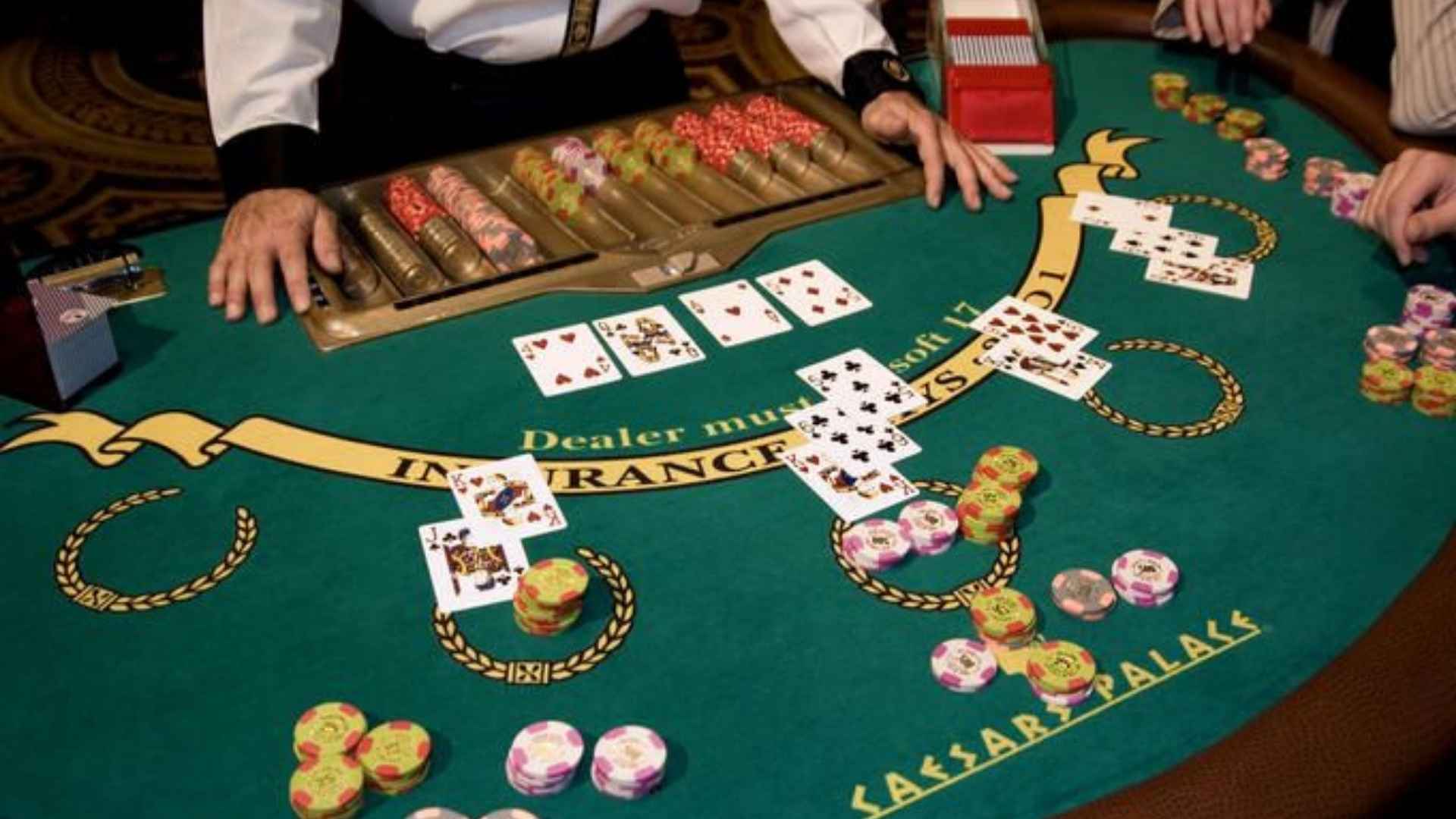
Bridge is an intellectually demanding card game that requires a delicate mix of strategic communication, memory, and statistical calculation. To consistently outperform your opponents, relying on good cards is never enough. Players must actively implement structured tactical approaches to tilt the odds in their favor and secure long-term victory.
Mastering the Art of Defensive Signaling
Defending a contract in bridge is often considered the most complex phase of the entire game. Unlike the declarer, who controls both visible hands, defenders must work in perfect synchronization with very limited information. Utilizing systematic defensive signals allows you and your partner to paint an accurate picture of your remaining card distribution.
For players looking to test their tactical skills under modern pressure, exploring strategic decision-making in competitive environments like M88 esports can offer excellent mental training. Consistent defense relies heavily on choosing the correct opening lead to disrupt the declarer's initial plans. Paying close attention to which cards your partner discards will help you make precise adjustments during the middle game.
Formulating a Comprehensive Declarer Plan
Once the bidding process is complete and the dummy hand is displayed, a successful declarer must resist the urge to play immediately. Pausing to construct a thorough, step-by-step plan is the absolute foundation of high-level trick-taking. You must carefully count your immediate winners and identify potential dangers within your weakest suits.
To execute your plan flawlessly, establish long side suits early to force the opponents into making difficult discards. Properly managing your entries between your hand and the dummy is crucial to navigating around defensive blocks. This structured approach minimizes simple tactical errors and significantly increases your final success rate.
Developing Clear Bidding Agreements
The bidding phase acts as the essential blueprint for how the rest of the hand will be played out. Establishing a clear, unified bidding system with your partner ensures that you can communicate your card strength without confusion. Clear communication prevents costly overbidding and helps you find the most lucrative contract.
Make sure to spend adequate time discussing standard conventions and competitive bidding scenarios with your regular partner. By knowing exactly how to handle opponent interference, your partnership will remain stable under tournament pressure. Mutual trust and predictable bidding patterns are ultimately what separate average players from consistent winners.